Most people do not fall in love with Southwest Colorado because of the Market Data.
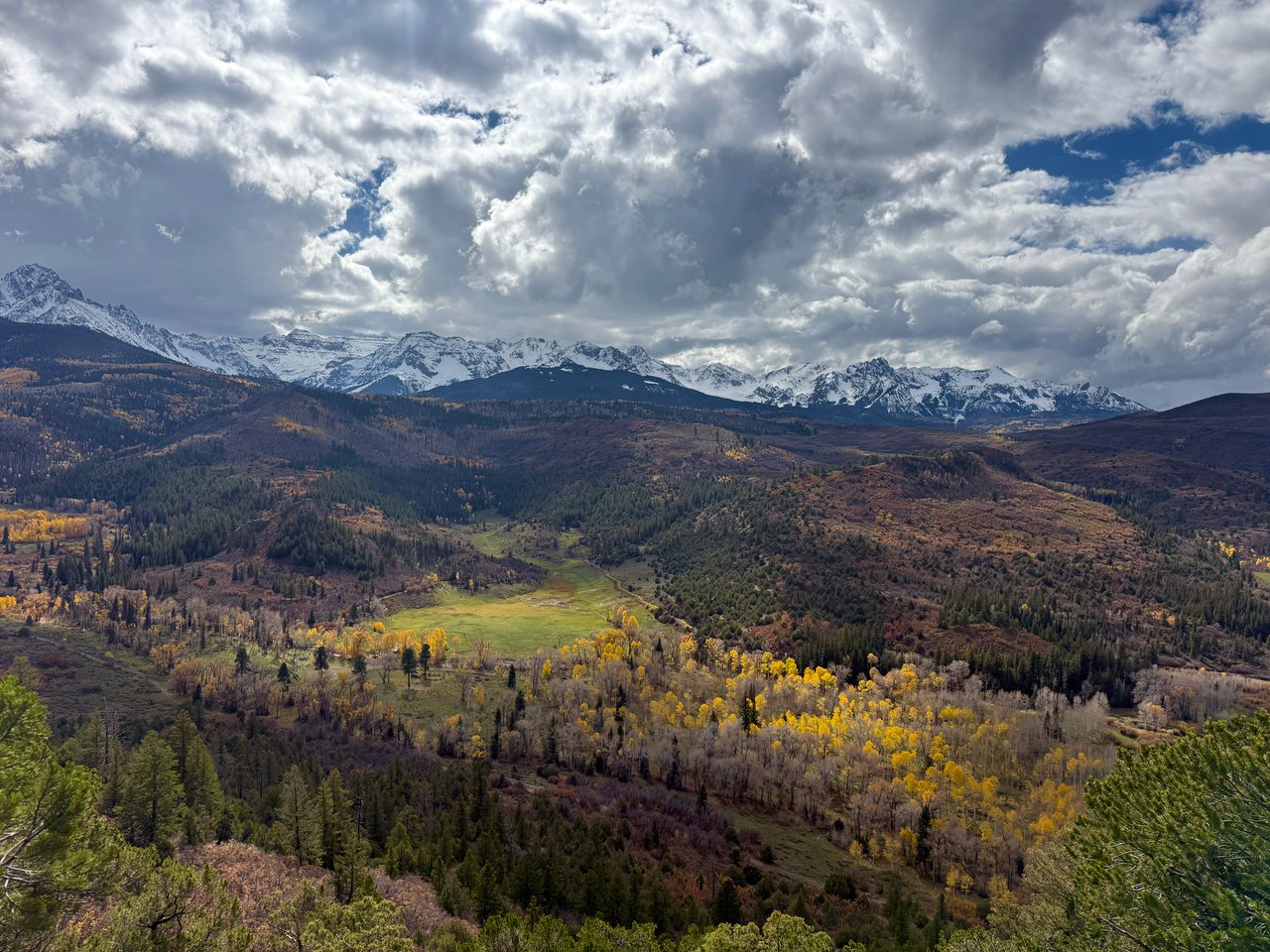
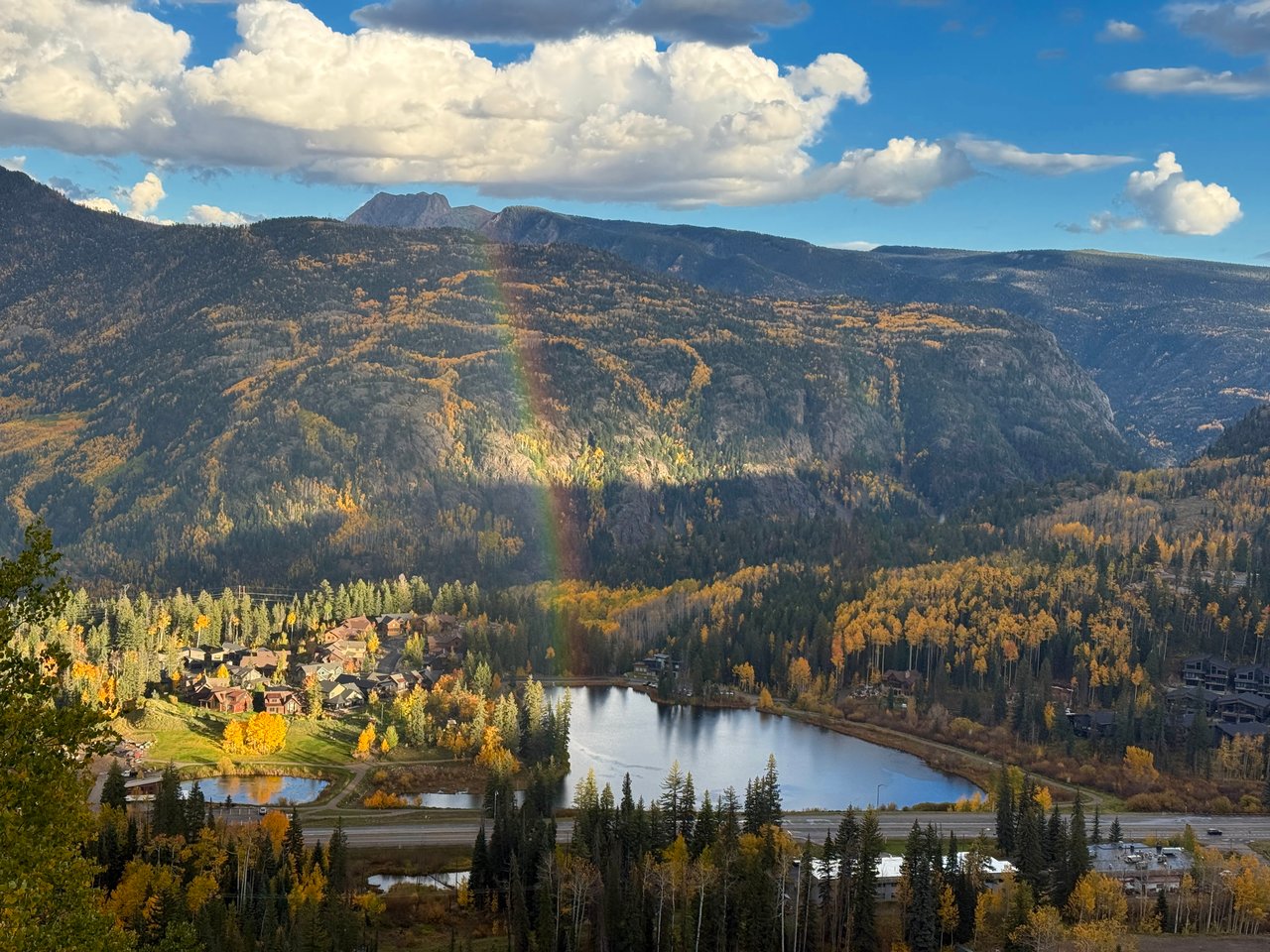
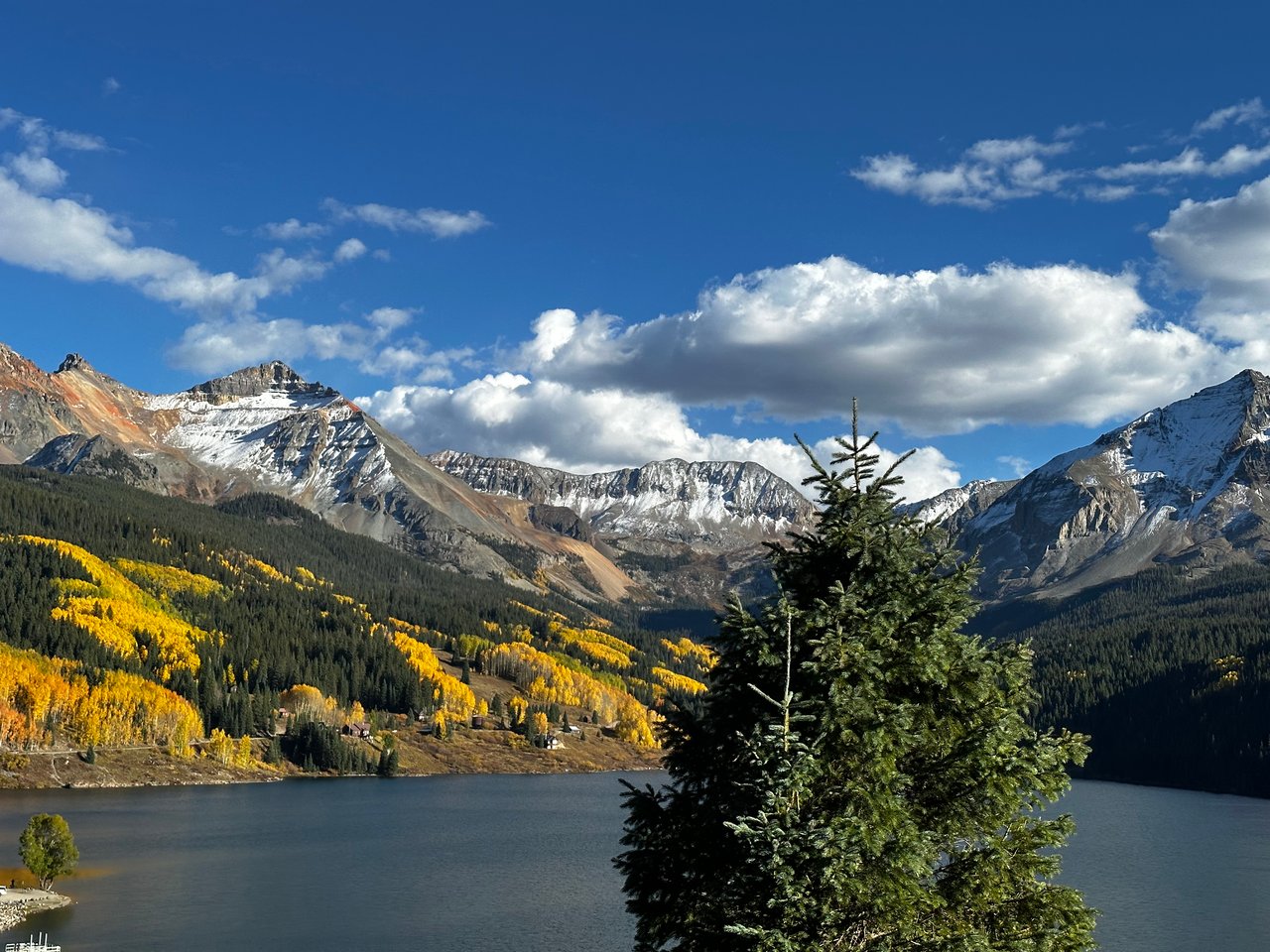
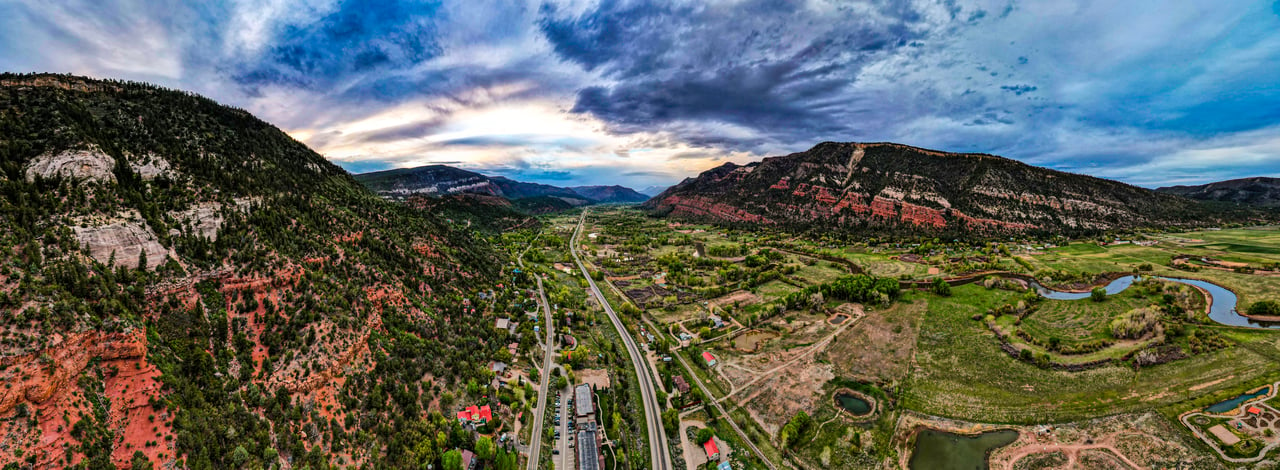
It usually starts with a view—the mountains rising behind town, a quiet road winding through the pines, or the changing colors of the aspens in fall. Maybe you visited for a weekend and began wondering what it would feel like to wake up here every day.
But visiting Southwest Colorado and living here are two different experiences.
The scenery may be what first gets your attention, but choosing the right community—and the right property—comes down to how you want your everyday life to look. Before you start packing, here are some of the things I encourage buyers to think about.
Start With the Life You Want, Not Just the Town You Recognize
“Southwest Colorado” covers a wide range of landscapes and communities. The region moves from high-desert mesas and river valleys to forested foothills and alpine mountain towns. Even communities that appear close together on a map can offer very different experiences.
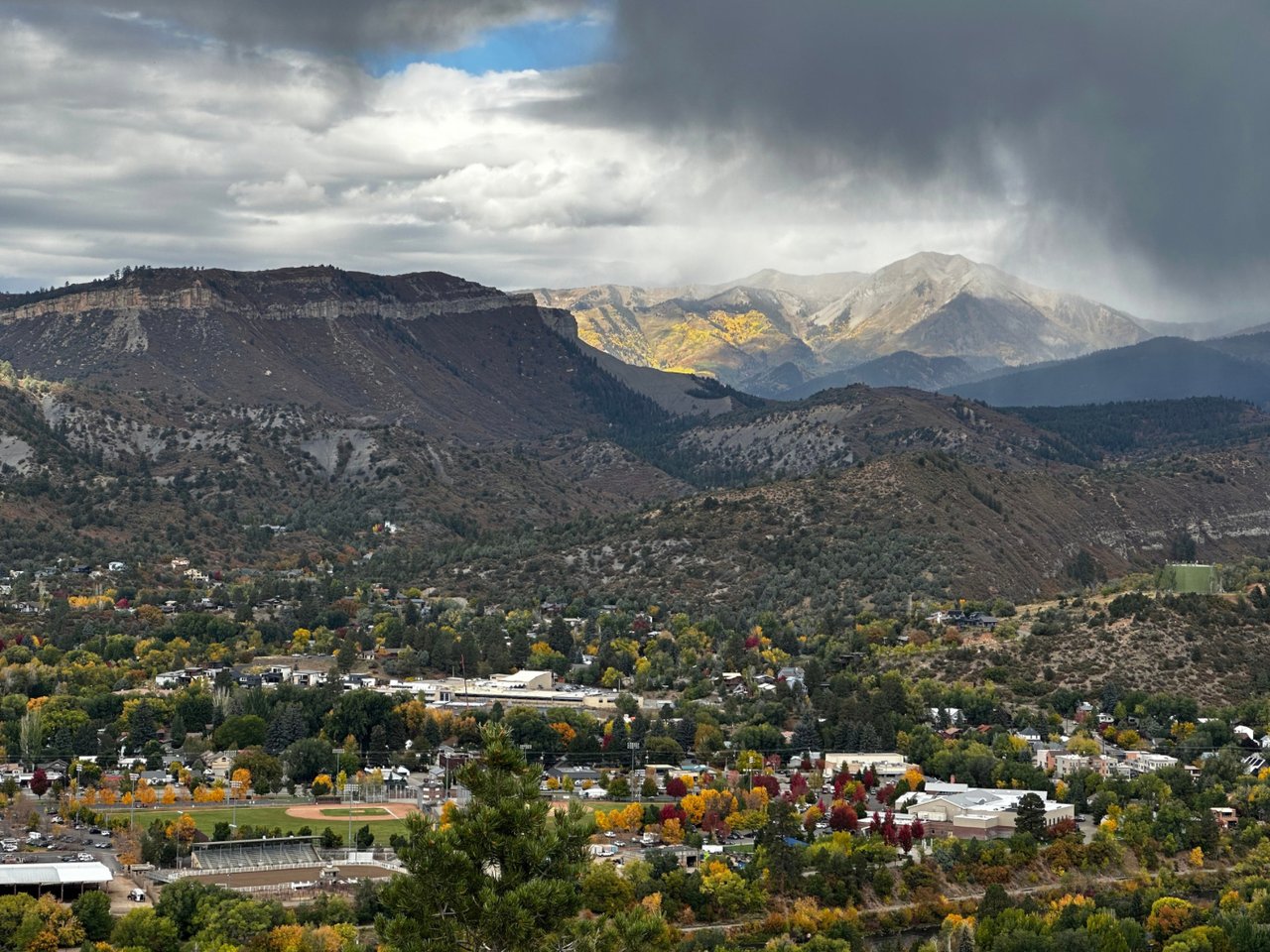
Durango, for example, provides access to a larger concentration of businesses and services and is home to the Durango-La Plata County Airport. Bayfield offers a smaller-town setting east of Durango in the Pine River Valley. Farther west, Mancos and Cortez place residents closer to Mesa Verde National Park and the landscapes of Montezuma County. Dolores provides access to the Dolores River, McPhee Reservoir and the Dolores Ranger District of the San Juan National Forest.
Then there are higher-elevation communities such as Silverton, Ouray, Ridgway and Telluride, where terrain, snowfall, road conditions and access to services can be significantly different.
None of these options is automatically better than another. The important question is which location works best for your schedule, priorities and plans.
Do you want to be close to restaurants and everyday services? Would you rather have more land and fewer nearby neighbors? How often will you need to travel? Are you comfortable maintaining a longer driveway or living farther from a grocery store?
Those questions often help narrow the search more effectively than choosing a town based on vacation memories alone.
Outdoor Access Is a Real Part of Life Here
Outdoor recreation is not just something used to advertise the region. It is built into the geography of Southwest Colorado.
The San Juan National Forest covers approximately 1.8 million acres across the southwestern corner of the state, stretching from high-desert landscapes to alpine peaks. The U.S. Forest Service lists hiking, mountain biking, fishing, hunting, horseback riding, camping, off-highway vehicle routes and winter sports among the activities available throughout the forest.
That means a home search may involve more than bedrooms, bathrooms and square footage. Buyers may also compare proximity to trail systems, rivers, ski areas, lakes, public-land access or space to store outdoor equipment.
However, living close to public lands can also mean paying attention to seasonal road closures, fire restrictions and changing trail conditions. The Forest Service notes that many forest roads typically open in May or June and close again around December or January, depending on weather and conditions.
The access is incredible, but it is worth understanding how that access changes throughout the year.
Four Seasons Can Look Very Different From One Community to Another
Southwest Colorado experiences distinct seasons, but weather can vary considerably with elevation and location.
At Durango-La Plata County Airport, the 1991–2020 climate normals show typical July temperatures around 87 degrees during the day and 51 degrees at night. January normals are much colder, with an average high near 38 degrees and an average low near 10 degrees. Higher mountain communities can be colder and receive more snow than lower-elevation areas.
This is one reason I recommend thinking beyond how a property looks during a summer showing.
Where does the sun reach the home in winter? Is the driveway steep or shaded? Who maintains the road? How much snow storage is available? Is the property accessible with the vehicle you drive?
A wooded mountain home can feel wonderfully private in July while requiring a very different maintenance routine in January. That does not make it a poor choice. It simply means the property needs to fit the way you intend to live.
A Rural Property May Operate Differently From a Home in Town
One of the most important distinctions buyers encounter is the difference between municipal and rural infrastructure.
A home inside town may be connected to public water and sewer. A property outside municipal boundaries may instead use a private well and an on-site wastewater treatment system, commonly called a septic system.
La Plata County directs property owners to its Public Health Department for septic information and to the Colorado Division of Water Resources for domestic well information. The state’s well-permit database allows users to research permits by address, subdivision, permit number and other property details. Montezuma County also reviews septic-system applications and maintains records through its Environmental Health Department.
When considering a rural property, buyers may need to review:
The well permit and permitted uses
Available well-production or water-quality information
Septic permits, location and maintenance history
Road ownership and maintenance agreements
Propane, electric and heating arrangements
Internet and cellular availability at the specific address
Covenants, zoning and possible building restrictions
Wildfire risk and insurance availability
These items are not reasons to avoid rural living. They are simply part of understanding what you are purchasing.
A beautiful piece of land should work for your intended use—not just look good in listing photos.
Road Access Deserves as Much Attention as the House
In larger cities, buyers may assume that a road is publicly maintained, regularly plowed and accessible year-round. That is not always the case in rural or mountainous parts of Southwest Colorado.
Some properties are accessed by county roads, while others rely on private roads, shared driveways or roads maintained by an association. Forest roads may also have seasonal closures.
Before purchasing, it is important to understand who maintains the road, how snow removal is handled, whether maintenance costs are shared and whether the access is suitable throughout the year.
This can also affect everyday routines. A home that feels only a short distance from town may take longer to reach during a winter storm or when driving an unpaved road.
The best way to understand that experience is often to drive the route yourself—not just once, but at a time and in conditions that resemble your normal routine.
You Are Connected, but Travel Still Requires Planning
Southwest Colorado feels remote in many ways, but it is not completely disconnected.
As of July 2026, Durango-La Plata County Airport offers year-round daily nonstop service to Denver, Dallas-Fort Worth and Phoenix, along with seasonal service to Houston. Those routes provide connections to larger domestic and international networks.
Still, living in a mountain region means travel may require more planning than it would near a major metropolitan airport. Winter weather, mountain passes and limited flight schedules can affect travel plans.
For buyers who travel frequently for work or to visit family, distance from the airport—and comfort with connecting flights—may be an important part of deciding where to live.
The History Here Is More Than a Tourist Attraction
Southwest Colorado is also home to an extraordinary cultural landscape.
Mesa Verde National Park protects nearly 5,000 archaeological sites, including approximately 600 cliff dwellings, associated with the Ancestral Pueblo people. It is both a UNESCO World Heritage Site and an International Dark Sky Park. The National Park Service emphasizes that Mesa Verde continues to hold deep cultural importance for 27 affiliated Pueblos and Tribes.
That history is part of the region’s identity. It can be seen in preserved sites, community traditions, museums, public lands and the continued presence and influence of Native communities.
Moving here means becoming part of a place with a long, complex history—not simply relocating to a scenic mountain destination.
Visit Like a Future Resident, Not Just a Tourist
Before deciding where to buy, try experiencing the area through the lens of everyday life.
Drive from a potential neighborhood to the grocery store, airport or workplace. Test your phone reception. Look at the property’s sun exposure and road access. Learn where you would receive medical care, pick up prescriptions or complete routine errands.
Spend time in more than one community. A town you had not originally considered may fit your lifestyle better than the destination you already knew by name.
Most importantly, be honest about what you want.
Some buyers want a home where they can walk to coffee and dinner. Others want acreage, quiet and direct access to the outdoors. Some want a low-maintenance property they can leave for part of the year. Others want room for animals, equipment or future construction.
There is no single version of the Southwest Colorado lifestyle.
Finding the Right Home Starts With Finding the Right Fit
Moving to Southwest Colorado is about more than choosing a beautiful house.
It is about deciding how close you want to be to town, how much property you want to maintain, what kind of winter you are prepared for and which daily conveniences matter most to you.
That is where local guidance becomes valuable.
I can help you compare communities, understand the practical differences between properties and identify the questions that should be answered before you make an offer.
Whether you are only beginning to explore the idea or are ready to tour homes, I would be happy to help you find the part of Southwest Colorado that feels right for the life you want to build.
Thinking about making a move? Reach out and tell me what you are looking for. We can start by finding the community that fits you—then find the home to match.